02 October 2026
Periodontal Treatment Ventura for Early-Stage Gum Disease
Presented by @johnnyqmnj492
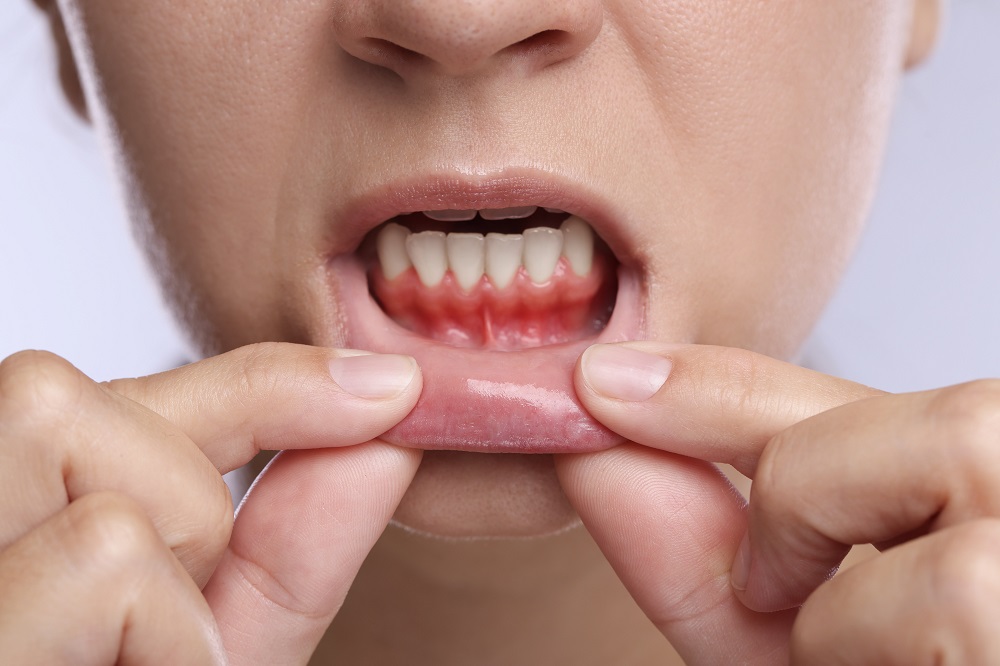
Early-stage gum disease rarely arrives with drama. Most people notice something small, if they notice anything at all. A little blood in the sink after brushing. Gums that look puffier than usual. A faint sour taste that seems to come and go. Because there is usually no severe pain, many patients assume the issue is cosmetic or temporary. That assumption is what allows mild gingivitis to turn into a deeper periodontal problem.
For patients looking into Periodontal Treatment Ventura, the most important thing to understand is that early intervention changes the entire experience. When gum disease is caught in its first stage, treatment is typically more conservative, less expensive, and far more predictable than care for advanced periodontitis. The bone and connective tissues around the teeth are often still healthy enough to recover well once the bacterial burden is reduced and daily habits improve.
That is the good news. The practical reality is that gum disease tends to be stubborn if the causes are not addressed carefully. A quick cleaning may help some cases, but not all. The difference between routine preventive care and true periodontal treatment matters, especially when inflammation has started to settle below the gumline.
What early-stage gum disease actually means
Early-stage gum disease is usually gingivitis. At this stage, plaque builds along the gumline and triggers inflammation. The gums become redder, softer, and more likely to bleed. The supporting bone has not yet suffered the irreversible breakdown seen in periodontitis, which is why timing matters so much.
In the operatory, early-stage disease often looks less dramatic than patients expect. Someone may have only mild swelling in the front teeth and a few bleeding points in the back molars. Their teeth may feel perfectly stable. They may floss only occasionally and still assume their home care is “pretty good.” Yet when the gums bleed easily under light probing, that is not a harmless quirk. Healthy gums generally do not bleed from normal brushing and flossing.
Gingivitis can also be uneven. One patient may show inflammation mainly around crowded lower front teeth where plaque collects quickly. Another may have swelling around old crowns or fillings that trap bacteria at the margins. A third may have generalized inflammation because dry mouth, smoking, or inconsistent cleaning has affected the whole mouth. The label is simple, but the pattern can vary quite a bit.
Why Ventura patients often wait longer than they should
There is a practical reason early gum disease gets ignored. Life is busy, symptoms are mild, and dental discomfort competes with everything else on the calendar. If a patient can chew, sleep, and function normally, the gums drop to the bottom of the priority list.
There is also a common misunderstanding about bleeding. Many people assume that if flossing causes bleeding, they should stop flossing that area. In practice, the opposite is usually true. Bleeding is often a sign of inflammation caused by bacterial buildup. Gentle, consistent cleaning is part of resolving it, not causing it.
Another factor is appearance. Mild gum disease does not always create obvious visual changes. If a smile still looks white and straight in the mirror, people tend to believe everything is fine. But gum disease is about the health of the supporting tissues, not just how the teeth appear in photos.
This is where a proper periodontal evaluation earns its value. A dentist or periodontist is not only looking for visible redness. They assess pocket depths, bleeding points, tartar below the gumline, recession patterns, plaque retention areas, and any early signs that the problem has moved beyond simple gingivitis.
The signs that deserve attention now
Most patients with early-stage gum disease report one or more of the same subtle issues. None of them sound urgent on their own, but together they form a pattern that should not be brushed off.
- Bleeding during brushing or flossing
- Persistent bad breath or a sour taste
- Red, tender, or swollen gums
- Gums that seem to pull slightly away from the teeth
- Heavier plaque or tartar buildup near the gumline
These signs do not confirm severe periodontal disease by themselves, but they do justify an exam. In a surprising number of cases, the patient who says, “I just wanted to check one spot,” ends up learning that inflammation is present in several areas.
Periodontal treatment is not always the same as a regular cleaning
This distinction matters more than most people realize. A regular prophylaxis, often called a routine cleaning, is designed for patients whose gums are generally healthy. It removes plaque, tartar, and stain from above the gumline and in shallow, healthy crevices. It is preventive care.
Periodontal treatment, even in early-stage cases, addresses disease. If inflammation, bleeding, and bacterial buildup have extended deeper around the teeth, the goal is not only to polish away visible deposits. The goal is to disrupt the bacterial environment that is irritating the gums and to create conditions where the tissues can heal.
For mild gingivitis, treatment may still be relatively straightforward. A patient may need a more thorough professional cleaning, targeted scaling in areas where tartar sits just under the gumline, improved home care instruction, and a shorter recheck interval. For patients whose measurements suggest early periodontitis rather than gingivitis, scaling and root planing may be recommended. That is a deeper form of cleaning focused on removing deposits and biofilm from root surfaces below the gums.
This is one reason the phrase Periodontal Treatment Ventura can mean different things depending on the diagnosis. The correct plan depends on the depth of the pockets, the amount of bleeding, the level of tartar, the presence of recession, and whether any bone loss shows on radiographs.
What happens during an evaluation
A good periodontal evaluation is methodical. It is not dramatic, but it reveals a lot. The clinician will examine the gums visually, then measure the spaces between teeth and gums with a small probe. Healthy readings are generally shallow. Deeper readings can indicate the tissues have detached or swollen enough to create a problematic pocket.
Bleeding on probing is especially important. It tells the clinician where inflammation is active. The exam may also include x-rays to check whether the bone supporting the teeth remains intact. Early-stage disease often shows no significant bone loss, which is exactly why catching it early creates a better treatment window.
Plaque and calculus patterns matter too. Heavy tartar behind the lower front teeth, for example, is common because saliva ducts in that area encourage mineral buildup. Upper molars often accumulate deposits near the cheek side for similar reasons. Existing dental work is another variable. Crowns, bridges, and fillings that overhang even slightly can make plaque control harder and keep one area inflamed despite decent brushing habits.
A useful evaluation also looks beyond the mouth. Mouth breathing, dry mouth from medications, hormonal changes, diabetes, tobacco use, and clenching can all influence gum health. The best treatment plans are built around those details, not around a one-size-fits-all script.
Common early treatments and how they help
When early gum disease is present, treatment is usually focused on reducing the bacterial load and allowing the gums to calm down. That may sound simple, but the execution matters. Good periodontal care is careful, not rushed.
For mild generalized gingivitis, the first step may be a thorough professional cleaning with extra attention to inflamed areas, paired with instruction on better brushing and interdental cleaning. This works well when the patient has minimal tartar below the gumline and the tissue response is expected to improve quickly.
If there are early pockets, localized deeper deposits, or areas where the gums have stayed inflamed for some time, scaling becomes more involved. The clinician removes plaque and hardened calculus from below the gumline and smooths the root surfaces where bacteria tend to cling. Sometimes this is done with local anesthetic, especially if there are multiple sensitive areas.
Antimicrobial rinses may be recommended in selected cases, though they are usually an adjunct rather than the main treatment. They can help reduce bacterial counts while the gums heal, but they do not replace mechanical plaque removal. Likewise, water flossers and electric toothbrushes can be extremely helpful for certain patients, particularly those with dexterity challenges or orthodontic retainers, but the right tool still has to be used consistently.
What makes treatment effective is not the appointment alone. It is the combination of professional debridement, accurate diagnosis, and realistic home care that the patient can actually maintain.
The first few weeks after treatment
The response to care is often noticeable within a short time. Gums that looked shiny and swollen can become firmer and less red within one to two weeks if the patient cleans well and the bacterial deposits were thoroughly removed. Bleeding usually decreases significantly during that period, though a few stubborn areas may linger if technique at home needs refinement.
This is where follow-up matters. Some offices re-evaluate the gums after several weeks to confirm healing. If pocket depths and bleeding improve, the patient may return to a preventive maintenance schedule or a slightly shorter recall interval, depending on risk factors. If inflammation persists, the diagnosis may need to be revised or deeper treatment may be indicated.
Patients are often surprised by how much healthier the mouth feels once inflammation settles. The gums are less tender, the breath improves, and teeth can even feel cleaner for longer during the day. That shift is not cosmetic. It reflects real tissue healing.
Why home care advice needs to be specific
General advice like “brush and floss better” is not enough. It is technically correct, but not very useful. Effective guidance is detailed and adapted to the patient’s anatomy and habits.
A patient with tight contacts and healthy dexterity may do very well with string floss and a soft electric toothbrush. Someone with wider spaces between teeth, slight recession, or bridgework may need interdental brushes in carefully chosen sizes. A patient with crowded lower incisors may benefit from angling the brush head differently and slowing down near the gumline instead of scrubbing harder.
Technique is more important than force. Many people with inflamed gums brush too aggressively, assuming that stronger pressure means a cleaner result. In reality, hard brushing can irritate the tissues and wear down exposed root surfaces without removing plaque effectively at the margin where it matters most.
Consistency usually beats intensity. Two careful minutes twice a day, plus cleaning between the teeth once daily, does more for gingivitis than occasional overcorrection after the gums start bleeding.
When early-stage disease is not as simple as it looks
Most mild cases improve with standard care, but a few deserve closer scrutiny. If a patient has excellent home care and still shows persistent inflammation in one small region, there may be a local factor at work. A defective filling edge, a cracked tooth, food impaction, or even an unusual anatomy issue can keep one area chronically irritated.
Systemic health also changes the picture. Diabetes, particularly if poorly controlled, can make gum inflammation more severe and slower to heal. Smoking remains one of the strongest risk factors for periodontal disease progression, and it can blunt obvious bleeding, which sometimes makes the disease look quieter than it really is. Certain medications reduce saliva flow, and a dry mouth changes the oral environment in ways that allow plaque to accumulate faster and become more harmful.
Pregnancy and hormonal shifts deserve mention too. Some patients experience dramatically increased gingival inflammation even when their plaque levels have not changed much. The tissue response can be exaggerated, and regular maintenance during that period becomes especially important.
These are the cases where professional judgment matters. The same shallow pocket depth can mean one thing in a healthy young adult and something more concerning in a patient with smoking history, diabetes, and irregular dental attendance.
Choosing the right provider for periodontal treatment
Many cases of early-stage gum disease can be managed effectively in a general dental office, especially when the diagnosis is straightforward and the patient responds well to care. A periodontist may become the better option when pocketing is deeper, bone loss is suspected, recession is significant, or prior treatment has not stabilized the gums.
Patients seeking Periodontal Treatment Ventura often ask whether they should start with a general dentist or go directly to a specialist. In most situations, either is reasonable as long as the office performs a real periodontal assessment and is prepared to refer when needed. The more important question is whether the provider explains the findings clearly and tailors the plan to the mouth in front of them.
A useful consultation should leave the patient understanding three things: what stage of disease is present, what treatment is recommended now, and what daily habits will determine whether the gums stay healthy after the appointment.
Questions worth asking at your visit
A short, focused conversation can prevent a lot of confusion later. If you are evaluating treatment recommendations, a few practical questions help clarify the plan.
- Is this gingivitis, early periodontitis, or something else?
- Do I need a routine cleaning, scaling, or deeper periodontal therapy?
- Which areas of my mouth are most affected, and why?
- What home care changes would make the biggest difference for me?
- When should my gums be rechecked to confirm improvement?
Those questions do not challenge the clinician. They help you understand the logic of the treatment and your role in the outcome.
Cost, time, and the trade-off most people miss
One reason people postpone care is the assumption that waiting might save money if the issue resolves on its own. Gum disease does not usually work that way. Mild inflammation can become chronic, and chronic inflammation can progress into attachment loss that is harder and more expensive to manage.
Early treatment is generally less invasive and less disruptive. A patient with gingivitis may need a focused cleaning and better home care. A patient who waits until the disease progresses may need scaling and root planing in multiple quadrants, more frequent maintenance, site-specific antibiotics, or later surgical evaluation if bone support is affected. That is the trade-off many people only appreciate in hindsight.
Time matters too. Early care may involve one visit and a recheck. Advanced disease management often becomes an ongoing project. For patients balancing work, family, and health appointments, that difference is not trivial.
What long-term success looks like
The goal of early periodontal treatment is not just to stop bleeding this month. It is to restore a stable environment that protects the teeth for years. That usually means gums that are pinker and firmer, reduced or absent bleeding during home care, shallow stable measurements, manageable plaque levels, and maintenance visits scheduled often enough to match the patient’s risk.
Long-term success is rarely about perfection. Most adults will have a few areas that https://tituszxud660.publishlane.com/posts/how-ventura-clinics-use-technology-in-periodontal-treatment need extra attention forever, especially around crowded teeth, older restorations, or mild recession. What matters is whether those areas are being managed before they progress.
Patients who do best are not necessarily the ones with flawless routines. They are the ones who understand their risk, follow through with care, and respond early when something changes. If the gums start bleeding again after a stable period, that is a signal to reassess, not to hope it disappears.
For anyone searching for Periodontal Treatment Ventura, the key message is straightforward. Early-stage gum disease is common, treatable, and worth addressing before it becomes more complex. A small amount of bleeding may seem easy to ignore, but it is often the first visible sign that the tissues supporting the teeth need attention. Catch it early, treat it thoroughly, and the odds of keeping your gums healthy improve dramatically.
Avra Dental
Address: 1708 S Victoria Ave B, Ventura, CA 93003
Phone number: (805) 941-1001
FAQ About Periodontal Treatment Ventura
Can a dentist get rid of periodontal disease?
A dentist or gum specialist (periodontist) cannot fully cure or reverse advanced periodontal disease (periodontitis), but they can successfully stop its progression and manage the infection.
Is periodontitis very serious?
Yes, periodontitis is a very serious, advanced form of gum disease that destroys the bone and tissues supporting your teeth.
How is stage 2 periodontal disease treated?
Stage 2 periodontal disease (early to moderate periodontitis) is primarily treated with non-surgical deep cleaning procedures like scaling and root planing to remove bacteria and tartar below the gumline.